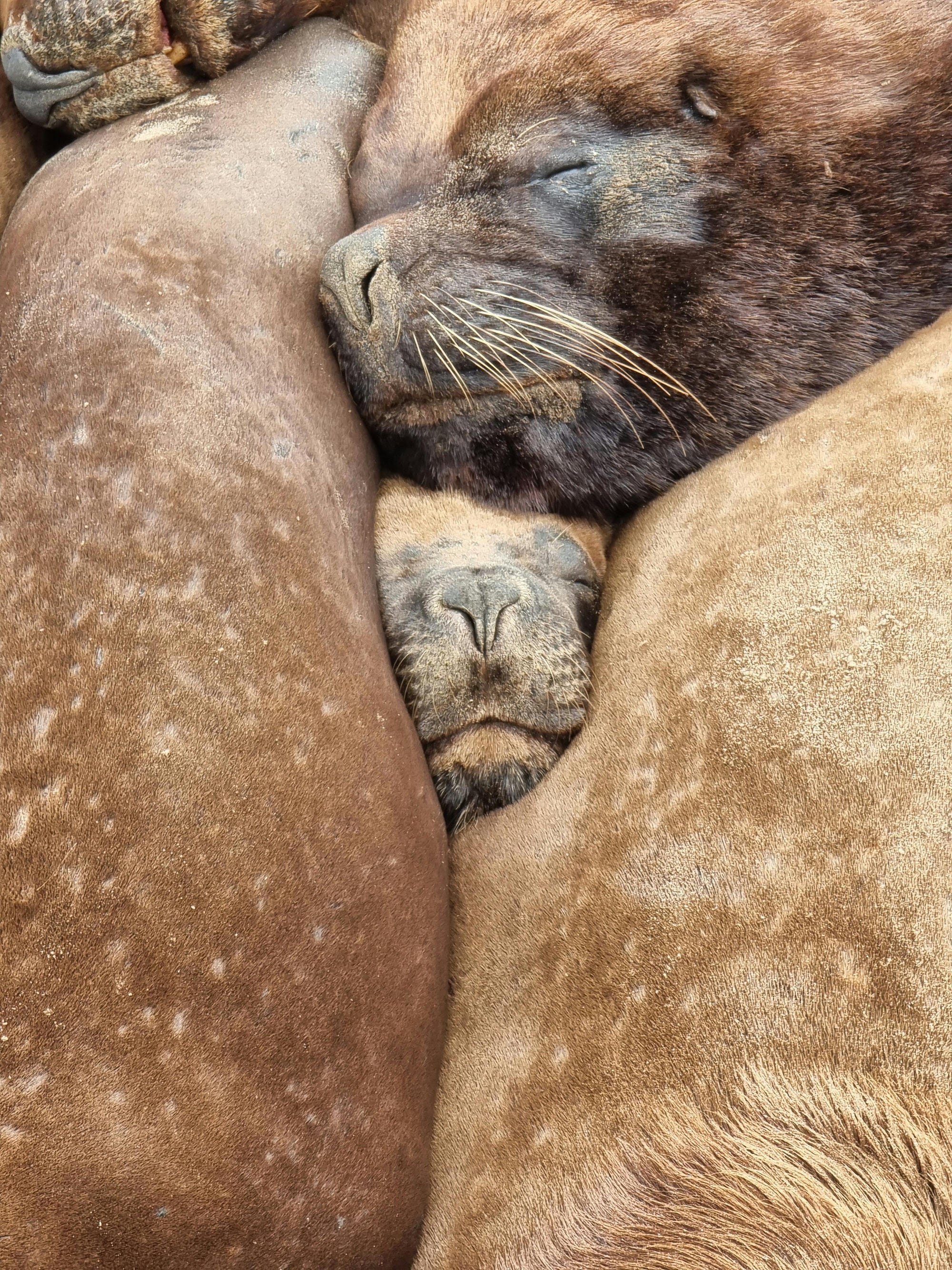

Exploring the Ocean: How Scientists Study Marine Life
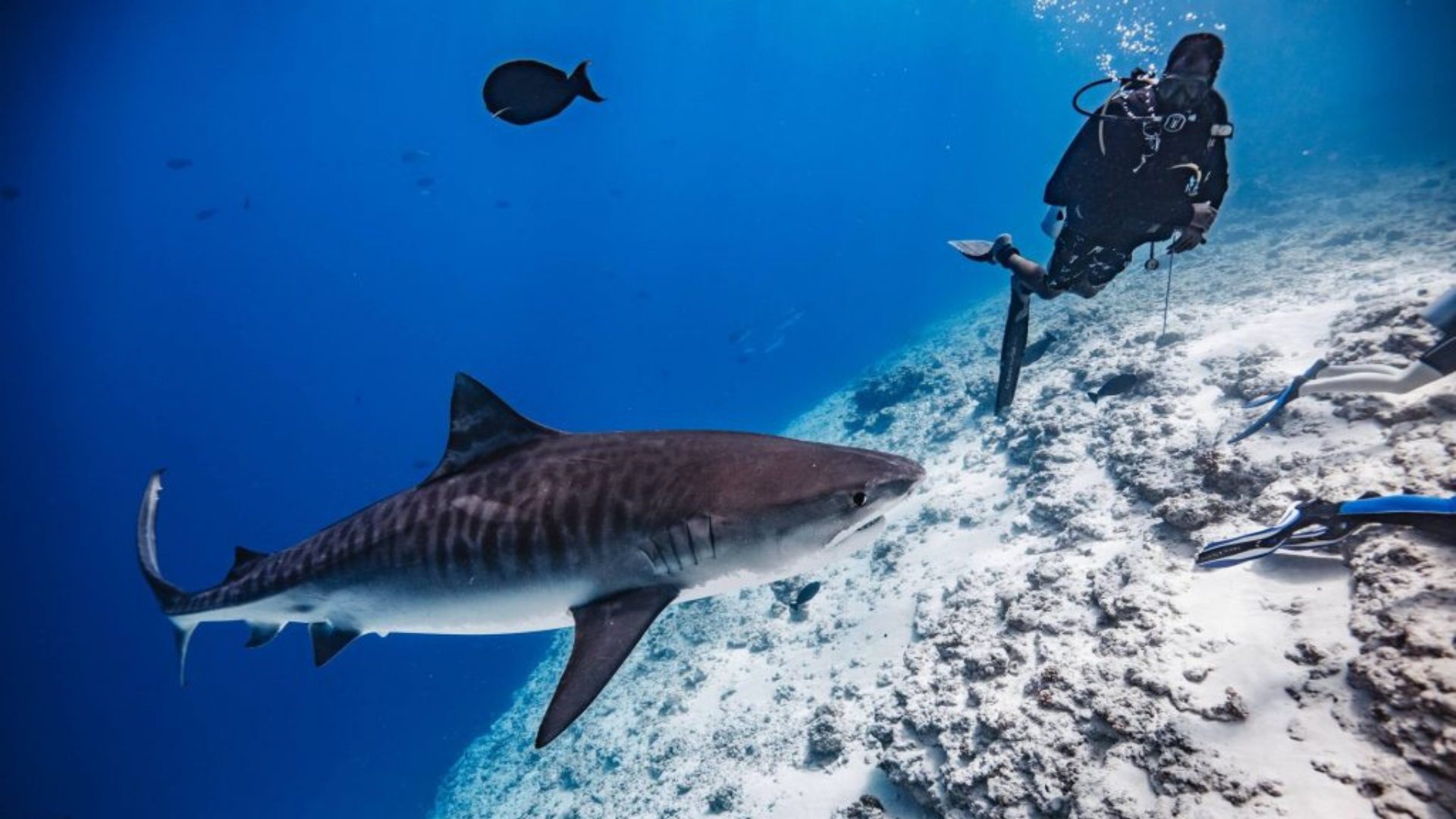
With more than 80% of the ocean still unmapped, scientists are on a mission to uncover its hidden world. From tracking sharks to scanning the seas from space, discover the tools and techniques that help us study marine life and its future.

How Do Scientists Track Whales, Sharks, and Turtles?
From whales to turtles, scientists track marine animals to learn how they move, feed, and survive—and to protect them in a changing ocean.

What Can Satellites Tell Us About the Ocean?
Satellites help us monitor sea temperature, colour, and change—giving scientists a vital, real-time view of the ocean’s health in a changing world.

What Is DNA Barcoding, and How Do We Discover New Species?
DNA barcoding helps scientists identify marine species, uncover new life, and explore the ocean’s hidden biodiversity—one gene at a time.

The Role of Submarines and ROVs in Deep-Sea Exploration
Submarines, ROVs, and underwater drones are helping scientists explore the deep sea—revealing new species, ecosystems, and secrets of the ocean floor.

How Can We Predict the Future of Our Ocean?
How do we predict the ocean’s future? Models, data, and observing systems help scientists forecast change—and guide the way toward action and resilience.
The ocean has more stories to tell—keep going!


Where to next?
Keep exploring marine science or discover more ways to be part of the wave.